7 Rules You Must Teach Your Dog Before Your First Camping Trip
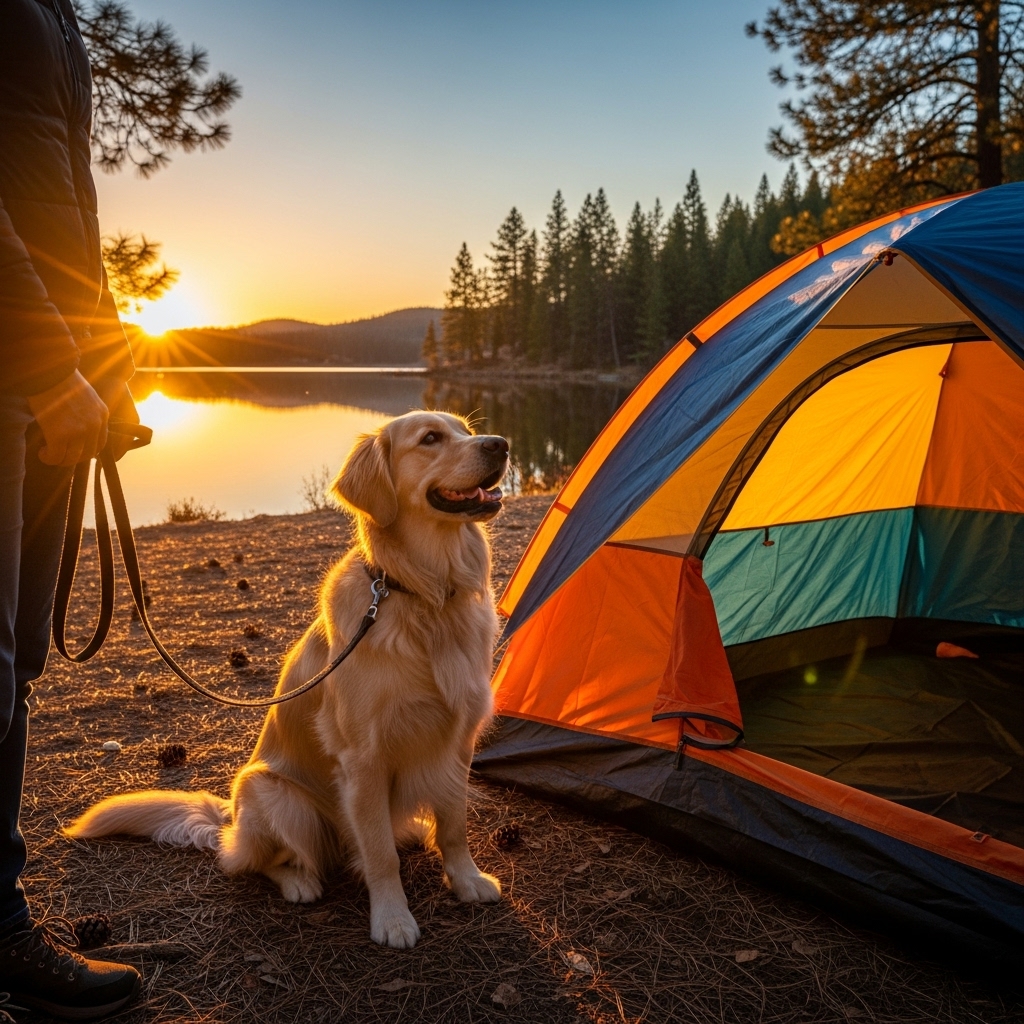
Picture this: a crackling campfire, a star-filled sky, and your best furry friend snoozing peacefully by your side. Camping with your dog can create some of the most incredible memories. But that picture-perfect scene doesn’t just happen by magic. It’s built on a foundation of trust, safety, and good training.
Taking a dog from the comfort of their home into the wild, unpredictable environment of the great outdoors requires preparation. New sights, sounds, smells, and potential dangers are everywhere. To ensure your trip is fun and not frantic, you need to be confident in your dog’s ability to listen and stay safe. Think of these rules not as restrictions, but as your shared language for adventure. Let’s dive into the seven essential rules you must teach your dog to guarantee your first camping trip is a howling success!
Rule #1: Master the Rock-Solid Recall (‘Come!’)
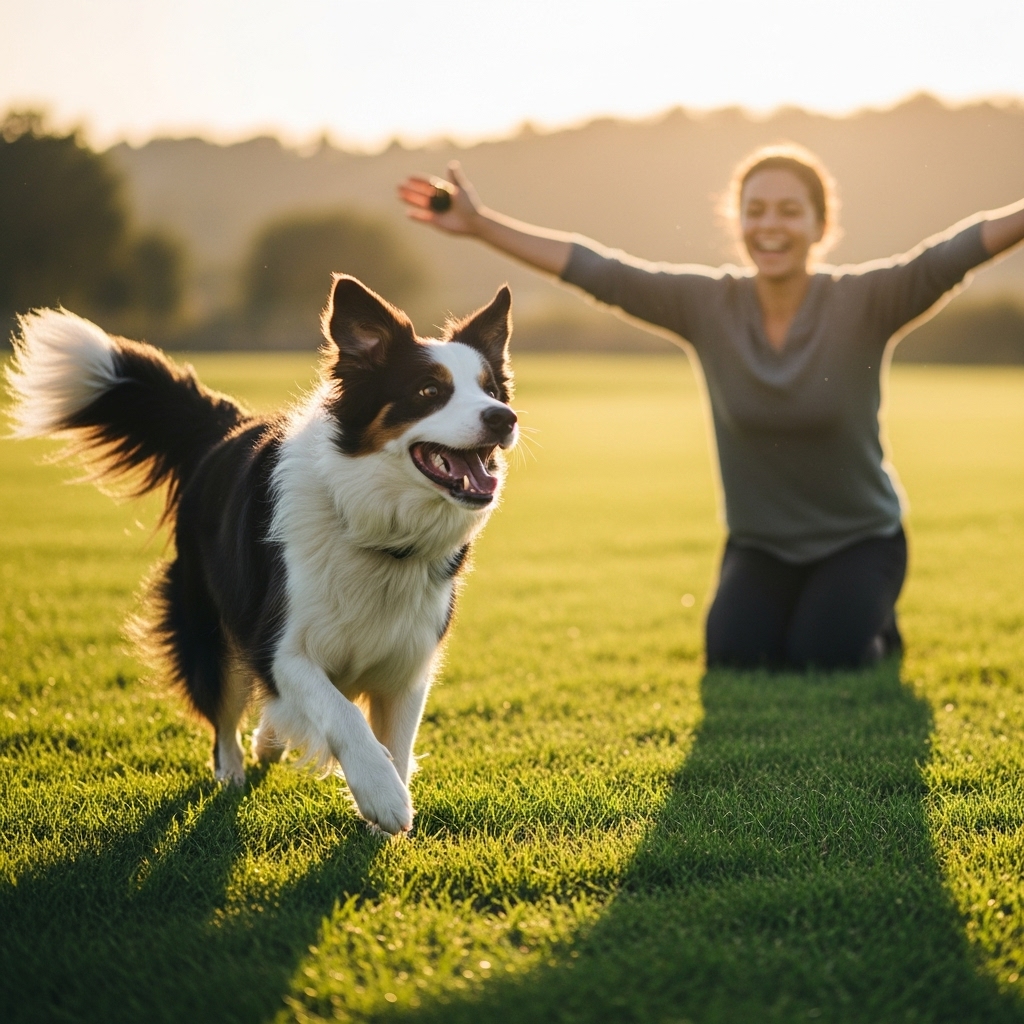
Of all the commands your dog can learn, a reliable recall is the most critical for their safety, especially outdoors. A campsite can go from calm to chaotic in seconds—a squirrel darts by, another dog appears, or a tempting smell wafts from a neighboring site. If your dog is off-leash, even for a moment, you need to be 100% confident they will return to you immediately when called.
A strong ‘come’ command can prevent your dog from:
- Getting lost in an unfamiliar area.
- Encountering dangerous wildlife like snakes, bears, or porcupines.
- Running up to other campers or dogs who may not be friendly.
- Eating something potentially toxic they find on the ground.
How to Practice: Start in your backyard or a quiet park. Use a long leash (15-30 feet) to give them a sense of freedom while maintaining control. Call them in an excited, happy tone and reward them with a high-value treat (like chicken or cheese) the second they get to you. Never punish your dog for coming back, even if they took their sweet time. You want them to always associate coming to you with something wonderful.
Rule #2: Perfect the ‘Leave It’ Command
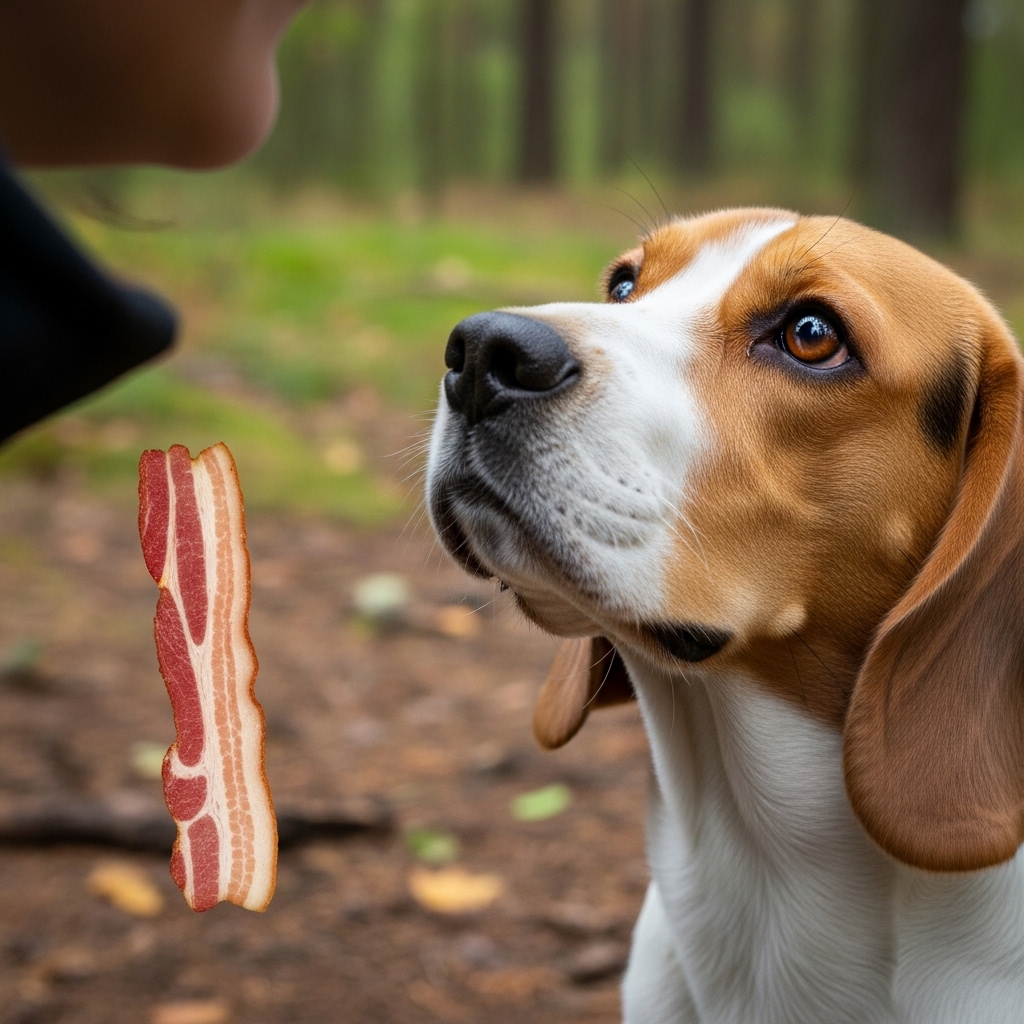
The wilderness is like a giant, sometimes dangerous, buffet for a curious dog. From discarded food left by other campers to mysterious mushrooms, animal droppings, and potentially toxic plants, there are countless things you don’t want your dog putting in their mouth. The ‘leave it’ command is your non-negotiable safety net.
This command tells your dog to ignore an item and turn their attention back to you. It’s not just about dropped food; it’s about preventing a potential vet emergency far from home. A dog that understands ‘leave it’ is less likely to investigate a slithering snake or chew on a discarded fishing hook.
How to Practice: Place a low-value treat (like a piece of kibble) on the floor and cover it with your hand. When your dog sniffs or licks your hand, say nothing. The moment they pull away, praise them and give them a high-value treat from your other hand. Gradually work up to leaving the treat uncovered on the floor, rewarding your dog for looking away from it and at you instead. The goal is to teach them that ignoring the forbidden item gets them something even better from you.
Rule #3: Establish a ‘Place’ or ‘Settle’ Spot
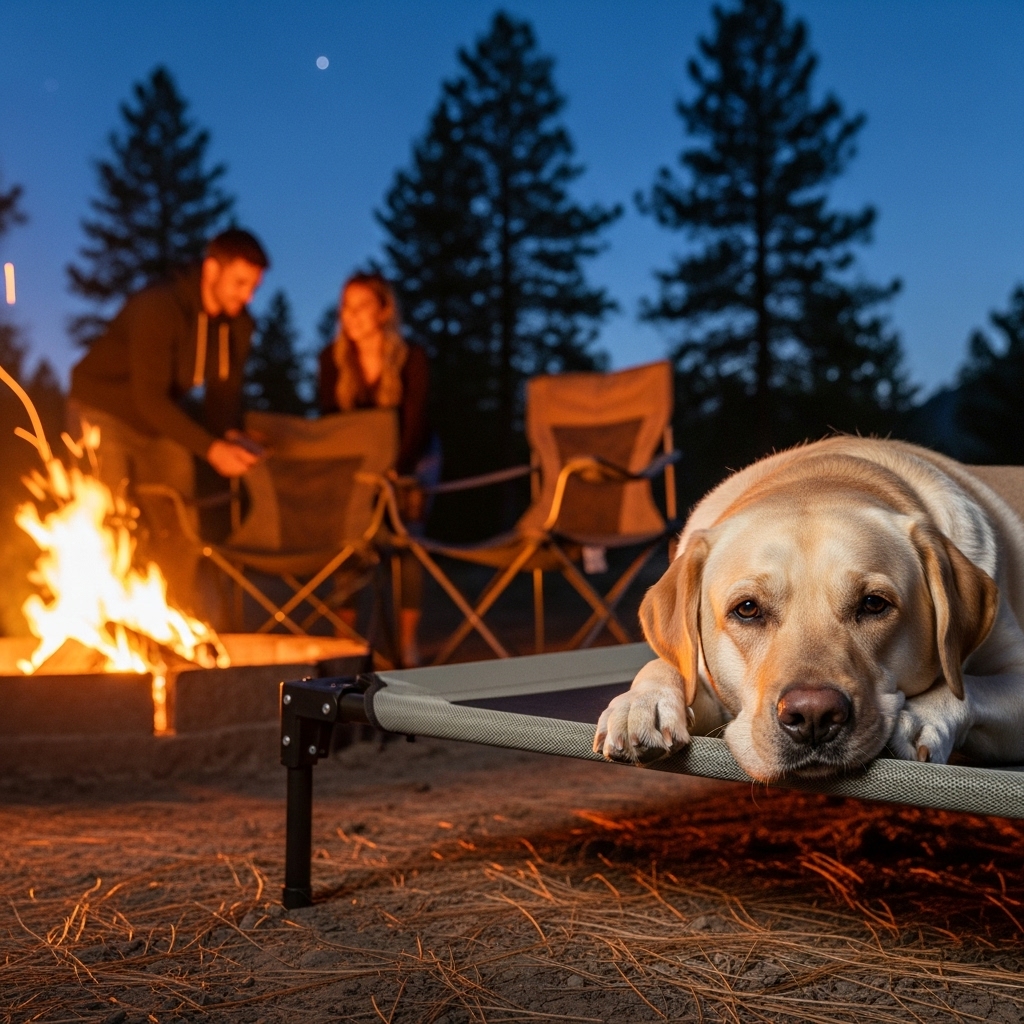
Campsites are busy places. You’ll be setting up the tent, cooking meals, and trying to relax. You can’t have your dog underfoot the entire time. A ‘place’ or ‘settle’ command gives your dog their own designated spot to relax calmly and stay out of the way.
This isn’t about punishment; it’s about giving them a safe, comfortable home base. Bring a familiar mat or portable dog bed from home. This spot becomes their island of calm amidst the new and exciting environment. It’s incredibly useful when you need them to stay put while you’re handling hot food around the campfire or organizing gear.
How to Practice: Toss a treat onto their mat. When they step on the mat to get it, say “Place!” and praise them. As they get the hang of it, ask them to lie down on the mat and stay for longer periods. Practice this in different locations so they learn that ‘place’ means ‘go to your mat,’ wherever it may be.
Rule #4: Teach ‘Quiet’ on Command
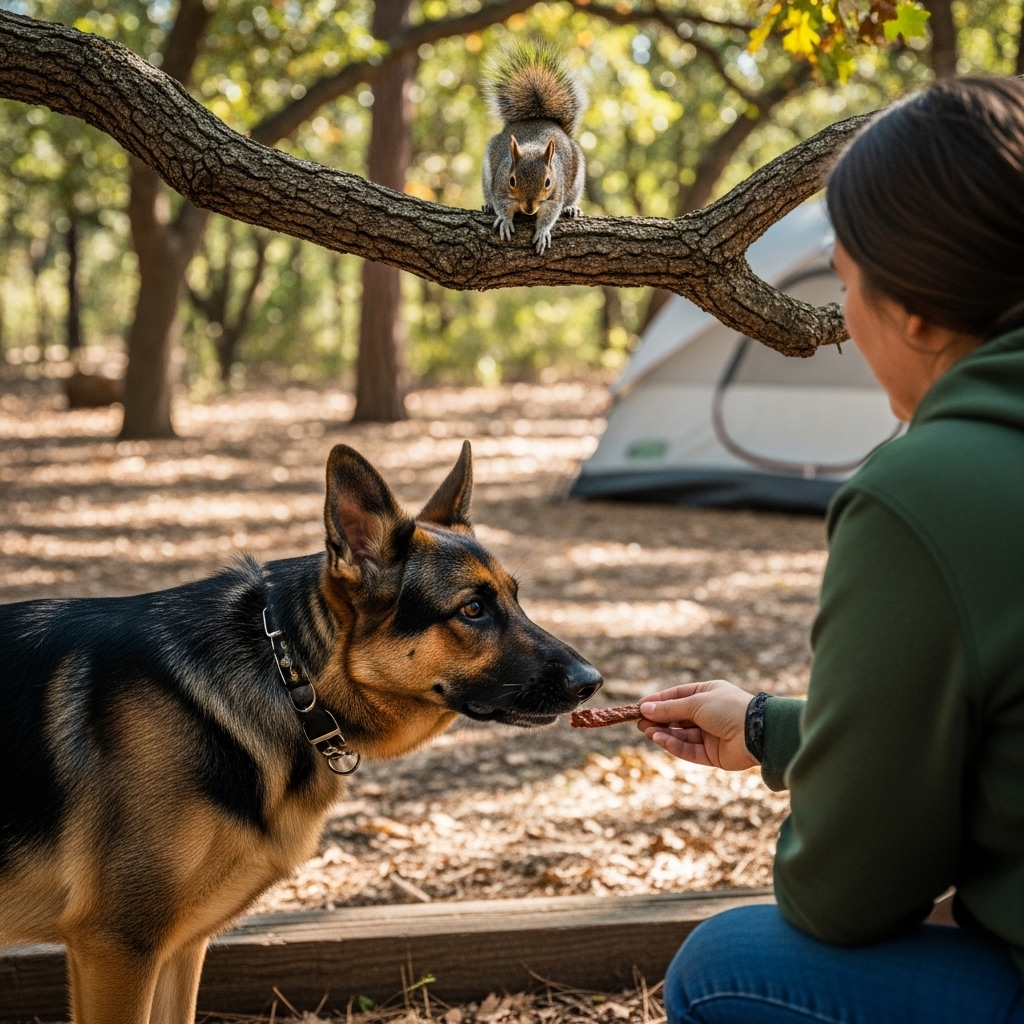
Sound travels easily in the quiet of the outdoors, and nothing shatters the peace of a campground like a dog barking incessantly. While you want your dog to be able to alert you to potential danger, nuisance barking at every little sound—a snapping twig, a distant voice, another dog—will quickly make you unpopular with your neighbors.
Teaching a ‘quiet’ command helps you manage their barking. It allows them to give an initial alert, but then gives you the control to stop it from escalating. This respects the shared space of the campground and keeps the natural environment peaceful.
How to Practice: When your dog starts barking, let them bark two or three times. Then, calmly say “Quiet,” and hold a very tasty treat in front of their nose. They can’t sniff and bark at the same time. The moment they stop barking to sniff the treat, praise them and give it to them. Repeat this consistently, and they’ll learn that ‘quiet’ means stopping the noise gets them a reward.
Rule #5: Insist on Good Leash Manners
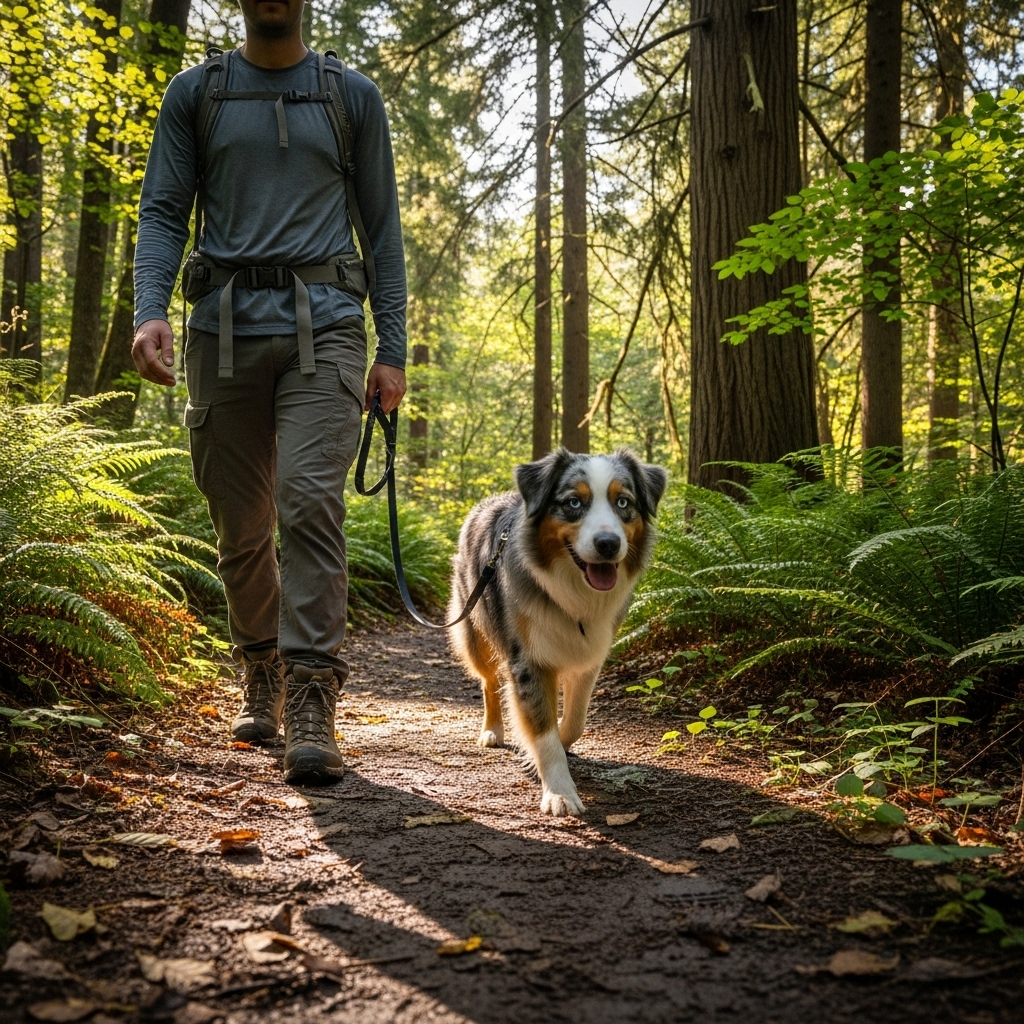
Most national parks and campgrounds have strict leash rules. Your dog will spend a lot of time on a leash, whether on trails or around the campsite. A dog that constantly pulls, lunges, and zig-zags makes hiking unpleasant and potentially dangerous. A strong pull could knock you off balance on uneven terrain or pull the leash right out of your hand.
Good leash manners mean your dog walks calmly by your side on a loose leash. This makes walks more enjoyable for both of you and ensures you are always in control, which is vital when you might encounter other hikers, dogs, or wildlife on a narrow trail.
How to Practice: If your dog starts to pull, simply stop walking. Stand still and wait. The moment they release the tension on the leash and look back at you, start walking again. Reward them with praise or a treat when they are walking nicely beside you. It takes patience, but they will learn that pulling gets them nowhere, while walking politely keeps the adventure going.
Rule #6: Get Them Comfortable in Their Tent or Crate
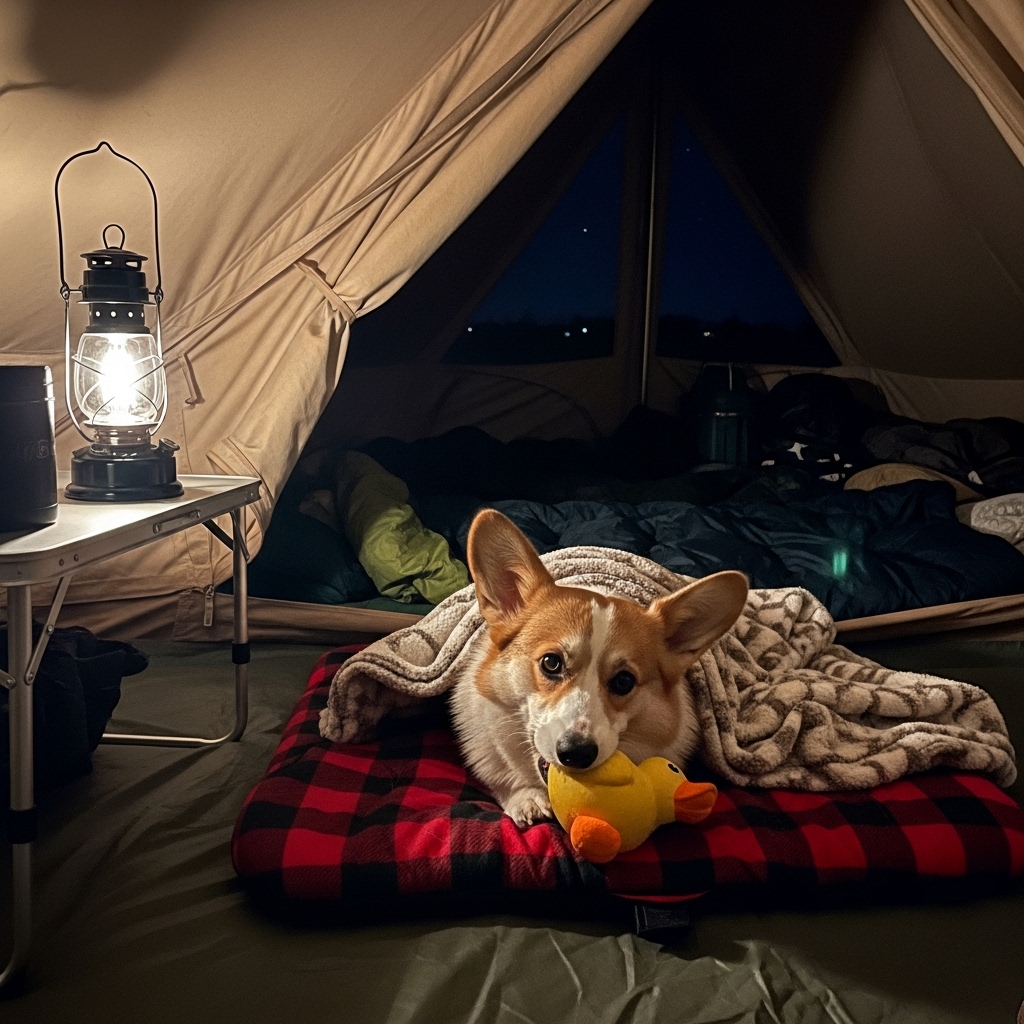
Your dog needs a safe and secure place to sleep at night. For most, this will be inside the tent with you. For others, a travel crate is a great option. Whichever you choose, it’s crucial that they see it as a cozy den, not a scary new trap. A dog who is anxious about their sleeping space will be restless, whiny, and stressed all night—meaning no one gets any sleep.
Weeks before your trip, set up the tent in your living room or backyard. Let them explore it on their own terms. Feed them meals inside, give them special toys, and have short ‘nap times’ in the tent with the door open. You want to build a strong positive association, so they can’t wait to get inside when it’s time to turn in for the night at the campsite.
Rule #7: Practice Neutrality Around New Things
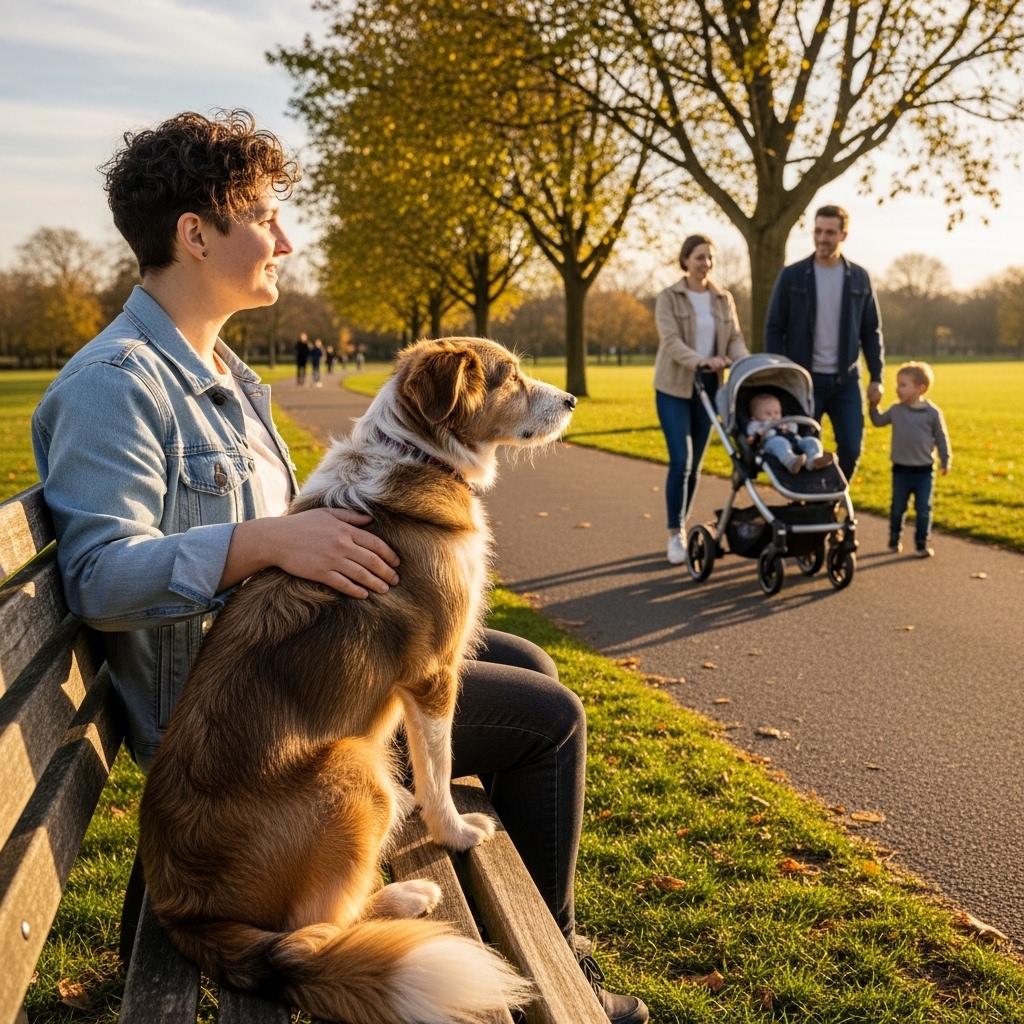
A campground is a sensory overload for a dog: new people, strange dogs, kids on bikes, and weird smells. A dog that is overly fearful or overly excited can be a liability. The goal is neutrality—the ability to see new things and remain calm.
This isn’t just about not barking or lunging. It’s about your dog having the confidence to handle new situations without becoming overwhelmed. A neutral dog can relax at the campsite even when people walk by and can pass another dog on a trail without a dramatic reaction. This makes the entire experience less stressful for them and for you.
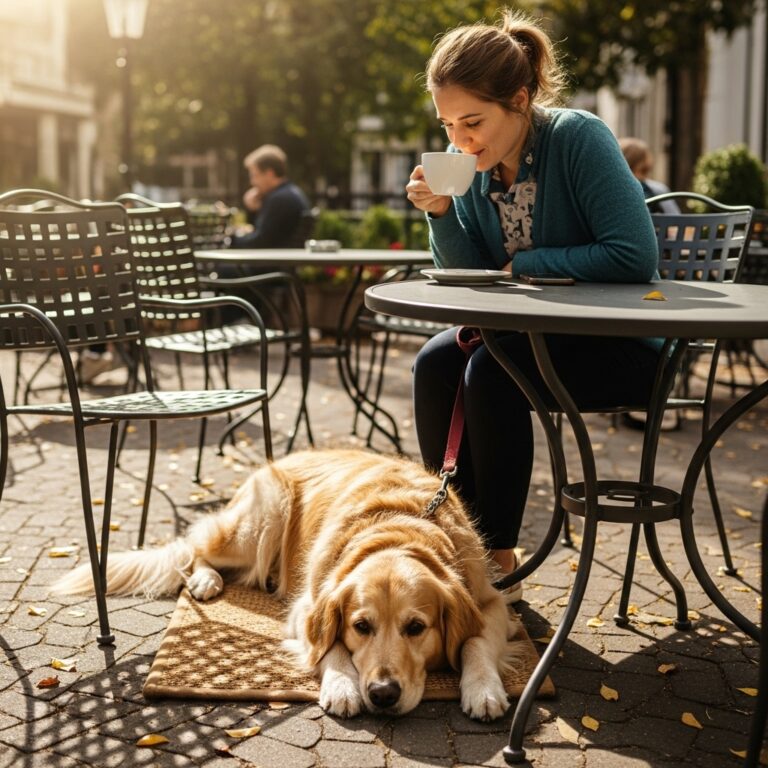
How to Practice: Take your dog to new places like a park bench outside a pet-friendly store. Reward them with treats for simply sitting calmly and watching the world go by. If they see another dog and don’t react, give them a jackpot of treats. Teach them that new things are no big deal and that calm behavior is highly rewarded.
Conclusion
Prepping your pup for your first camping trip is about more than just packing their food and toys; it’s about setting them up for success. By teaching these seven essential rules, you’re not just training a dog—you’re building a reliable adventure partner. The work you put in beforehand will pay off tenfold in the form of a relaxed, safe, and incredibly fun outdoor experience.
So start practicing today! The sooner you build this foundation of communication and trust, the sooner you’ll be out there, making those amazing campfire memories with your well-behaved, happy, and confident canine companion. Happy trails to you both!