
5 Reasons To Feed Soft Boiled Quail Eggs (Tiny Superfood Powerhouse)
Hey there, fellow pet parent! We’re always on the lookout for ways to give our furry family members the absolute best, right? From the comfiest beds to the most engaging toys, we want them to live their happiest, healthiest lives. But what about their food bowl? Beyond the kibble, there’s a world of nutritional boosters that can make a huge difference. Enter the humble, tiny, and utterly mighty quail egg.
You might have seen these speckled little gems at the farmer’s market and wondered, ‘Are these for dogs?’ The answer is a resounding yes! Often called a ‘tiny superfood powerhouse,’ the quail egg packs an incredible nutritional punch in a very small package. Forget thinking of them as just a miniature chicken egg; they have a unique profile that makes them a fantastic supplement for dogs of all shapes and sizes. In this guide, we’ll crack open the science and show you the five biggest reasons why adding a soft-boiled quail egg to your dog’s diet can be a game-changer for their health.
The 5 Big Reasons Quail Eggs are a Tiny Titan of Nutrition

So, what makes these little eggs so special? It’s all about nutrient density. Compared to their size, they are loaded with vitamins, minerals, and high-quality protein. Let’s break down the top five benefits you can expect when you introduce this superfood.
1. A Concentrated Blast of Vitamins and Minerals
Think of a quail egg as a natural multivitamin. They are significantly richer in certain nutrients per gram than chicken eggs. They contain:
- Vitamin B Complex: Especially rich in B12 (for brain function) and Riboflavin (B2, for energy metabolism), quail eggs support your dog’s nervous system and energy levels.
- Iron and Potassium: They have nearly five times the iron and potassium of a chicken egg, which is crucial for red blood cell production, oxygen transport, and proper muscle function.
- Vitamin A and D: Essential for vision, immune function, and bone health. The yolk is a fantastic source of these fat-soluble vitamins.
2. An Allergy-Friendly Protein Source
Is your pup prone to food sensitivities? Chicken is a common allergen for many dogs, and this sensitivity can sometimes extend to chicken eggs. Quail eggs are a different story. They contain a different type of protein (ovomucoid protein) that is far less likely to cause an allergic reaction. This makes them an excellent, high-quality protein alternative for dogs with sensitive stomachs or specific food allergies.
3. The Ultimate Skin and Coat Booster
If you’re dreaming of a shinier, softer coat for your dog, look no further. The quail egg yolk is a treasure trove of healthy fats, including omega-3 and omega-6 fatty acids. These fats, combined with biotin and other B vitamins, are the building blocks of healthy skin cells and hair follicles. Regular consumption can help reduce shedding, alleviate dry and itchy skin, and give their coat a lustrous, healthy sheen that will have everyone at the dog park asking for your secret.
4. Brain and Eye Development Support
The yolk is where the magic happens for cognitive and visual health. Quail egg yolks are packed with choline, a vital nutrient that plays a key role in brain development and function. It’s especially beneficial for puppies whose brains are still growing and for senior dogs to help maintain cognitive sharpness. Additionally, they contain lutein and zeaxanthin, antioxidants that protect the eyes from damage and support long-term vision health.
5. A Natural Immune System Enhancer
A strong immune system is your dog’s first line of defense against illness. Quail eggs are a source of powerful antioxidants like selenium and vitamins A and E. These nutrients help combat oxidative stress and fight off free radicals, which can damage cells. A regular, small dose of these antioxidants can help bolster your dog’s immune response, keeping them healthier and more resilient.
Safety First: Are There Any Risks with Quail Eggs?

While quail eggs are fantastic, it’s always smart to be aware of potential risks, no matter how small. Being a responsible pet owner means being an informed one! Here’s what you need to keep in mind.
Bacterial Concerns (Salmonella)
Just like with any egg, there’s a small risk of bacteria like Salmonella. However, the risk with quail eggs is generally considered lower than with chicken eggs. Quails have a higher body temperature and contain an enzyme called lysozyme, which makes them more resistant to bacterial infections. To be extra safe, we recommend soft-boiling them. This gently cooks the egg enough to kill any potential surface bacteria while preserving the delicate nutrients in the yolk. Also, always source your eggs from a reputable supplier.
Too Much of a Good Thing
Quail eggs are nutrient-dense, which also means they are calorie-dense for their size (about 14 calories per egg). Feeding too many can lead to weight gain. Remember the 10% rule: treats and supplements should not make up more than 10% of your dog’s daily caloric intake. Overfeeding can also lead to an imbalance of nutrients, particularly phosphorus, so moderation is key.
Expert Tip: Always introduce any new food to your dog’s diet slowly. Start with one egg and monitor your dog for any signs of digestive upset, like diarrhea or vomiting, before making it a regular part of their routine.
Choking Hazard for Tiny Pups
For very small or toy breeds, a whole quail egg could potentially pose a choking hazard. It’s always safest to mash the egg or chop it up before mixing it into their food, especially when you’re first introducing it.
The Perfect Prep: How to Cook and Serve Quail Eggs

Ready to become a quail egg chef for your pup? It’s incredibly simple! Soft-boiling is the ideal method as it ensures safety while keeping the yolk nutrient-rich and jammy—just how dogs love it. Here’s our foolproof method:
- Bring Water to a Boil: Fill a small saucepan with enough water to cover the eggs and bring it to a rolling boil.
- Gently Add the Eggs: Using a slotted spoon, carefully lower the quail eggs into the boiling water. Be gentle to avoid cracking them.
- Set Your Timer: For the perfect soft-boiled egg with a runny, nutrient-packed yolk, boil them for exactly 2 minutes and 30 seconds. If you prefer a firmer yolk, you can go up to 4 minutes.
- Ice Bath Time: As soon as the timer goes off, use the slotted spoon to transfer the eggs immediately into a bowl of ice water. This stops the cooking process instantly and makes them much easier to peel. Let them cool for a few minutes.
- Peel and Serve: Gently tap the egg on a hard surface and carefully peel away the shell. The membrane can be a bit tricky, but it comes off easily once you get it started.
Serving Suggestions for Your Pup
Once peeled, you have a few great options for serving this tiny treat:
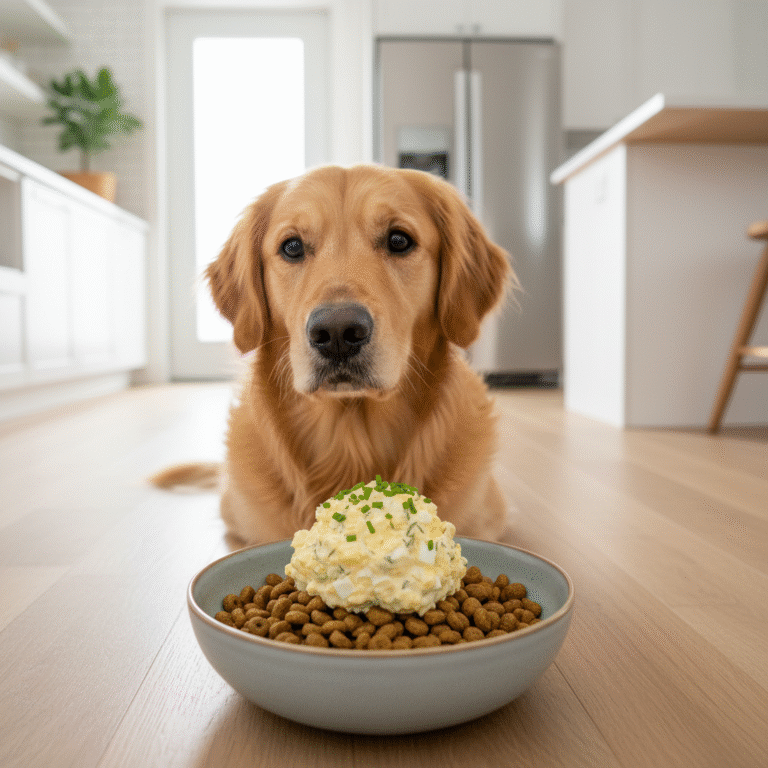
- The ‘Food Topper’ Special: Simply place the whole, peeled egg on top of their regular meal. They’ll love discovering this special surprise!
- The ‘Mash-Up’: For smaller dogs or to ensure the nutrients are spread throughout their meal, gently mash the egg with a fork and mix it into their kibble or wet food.
- The ‘Training Treat’: For a high-value reward during training sessions, you can serve the egg whole (for medium to large dogs) as a super special ‘jackpot’ treat.
How Many Eggs? Finding the Right Serving Size for Your Pup
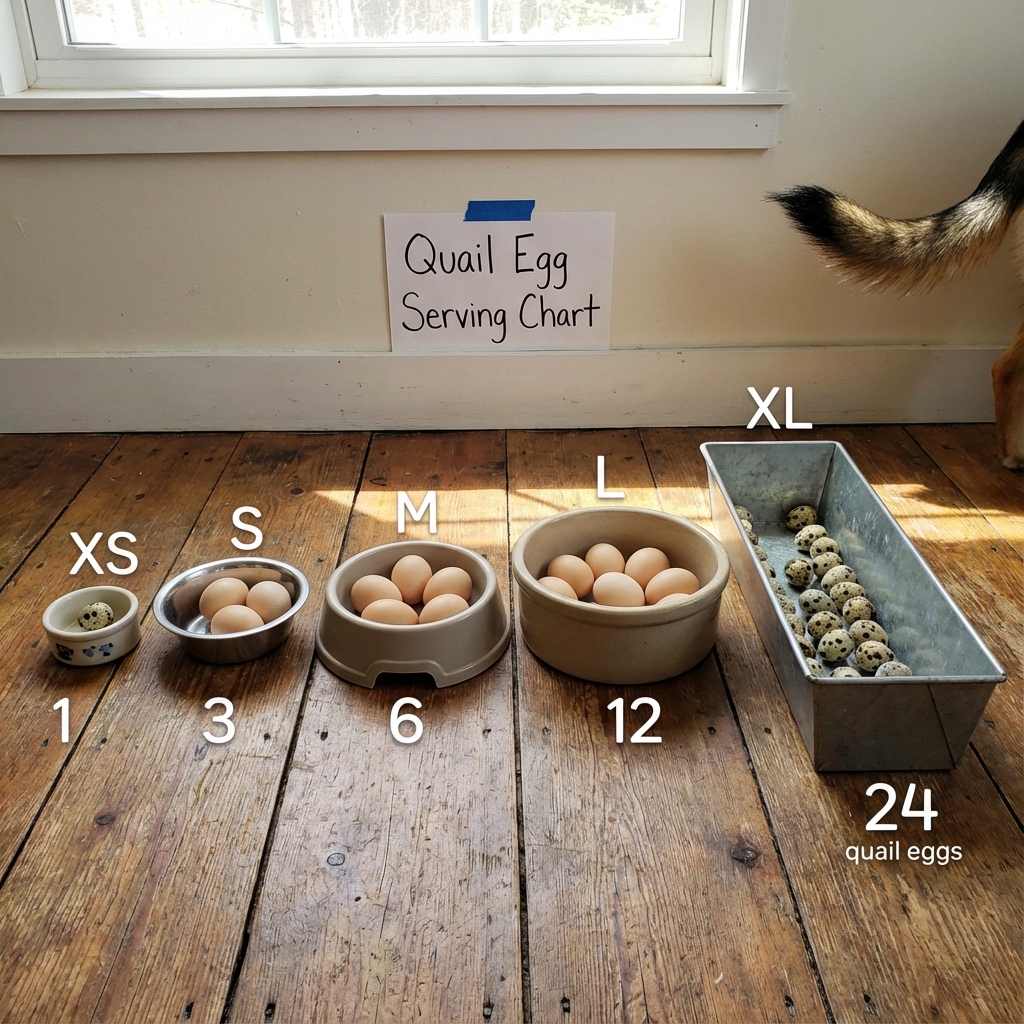
The golden rule is moderation. Quail eggs should be considered a supplemental treat, not a meal replacement. The right amount depends entirely on your dog’s size and daily caloric needs. A giant Great Dane has very different requirements than a tiny Chihuahua! Here is a general guideline to help you get started. Always consult with your veterinarian to determine the perfect amount for your individual dog’s health needs.
| Dog Size Category | Weight Range | Recommended Serving Frequency |
|---|---|---|
| Toy Breeds | Under 10 lbs (e.g., Chihuahua, Yorkie) | 1 egg, 2-3 times per week |
| Small Breeds | 10-25 lbs (e.g., Beagle, French Bulldog) | 1 egg per day |
| Medium Breeds | 25-50 lbs (e.g., Border Collie, Basset Hound) | 2 eggs per day |
| Large Breeds | 50-90 lbs (e.g., Golden Retriever, German Shepherd) | 3 eggs per day |
| Giant Breeds | Over 90 lbs (e.g., Great Dane, Mastiff) | 4-5 eggs per day |
Disclaimer: This table is a general guide. If your dog is overweight, has kidney problems, or other health issues, please talk to your vet before adding eggs to their diet.
Quail vs. Chicken Eggs: Is Smaller Better?

It’s a common question: why not just use a chicken egg? While chicken eggs are also healthy for dogs, quail eggs have a few distinct advantages that make them a superior choice for supplementation.
Nutrient Density
The most significant difference is the nutrient-to-size ratio. On a gram-for-gram basis, quail eggs pack a bigger punch. They have a larger yolk-to-white ratio, and the yolk is where most of the vitamins and minerals are concentrated. This means more nutrition in a smaller, lower-calorie package.
Lower Allergen Profile
As we mentioned earlier, this is a huge plus. The proteins in quail eggs are structurally different and far less likely to trigger an allergic response, making them a safer bet for sensitive dogs.
Easier Portion Control
For small and toy breeds, a whole chicken egg can be far too much for a single serving, potentially unbalancing their diet. A single 14-calorie quail egg is a perfectly portioned treat, making it much easier to manage their intake without overdoing it.
Here’s a quick side-by-side look at how they stack up nutritionally (approximate values per 100g):
| Nutrient | Quail Egg (per 100g) | Chicken Egg (per 100g) |
|---|---|---|
| Iron | 3.65 mg | 1.75 mg |
| Vitamin B12 | 1.58 µg | 0.89 µg |
| Riboflavin (B2) | 0.79 mg | 0.45 mg |
| Protein | 13.1 g | 12.6 g |
While both are good, the numbers show that quail eggs offer more bang for your buck in several key areas, making them the ‘superfood’ choice.
Conclusion
There you have it! The tiny quail egg truly lives up to its reputation as a nutritional powerhouse. From providing a concentrated source of essential vitamins and minerals to boosting skin and coat health and being a safe option for allergy-prone pups, the benefits are clear. They are a simple, affordable, and incredibly effective way to enhance your dog’s daily diet.
Remember to start slow, follow the serving size guidelines, and always choose the soft-boiled method for optimal safety and nutrition. Your dog’s food bowl is a place where you can show your love, and adding a little gem like a quail egg is a perfect way to do just that. Happy feeding!