3 Life-Changing Pattern Games to Calm Reactive Dogs Instantly
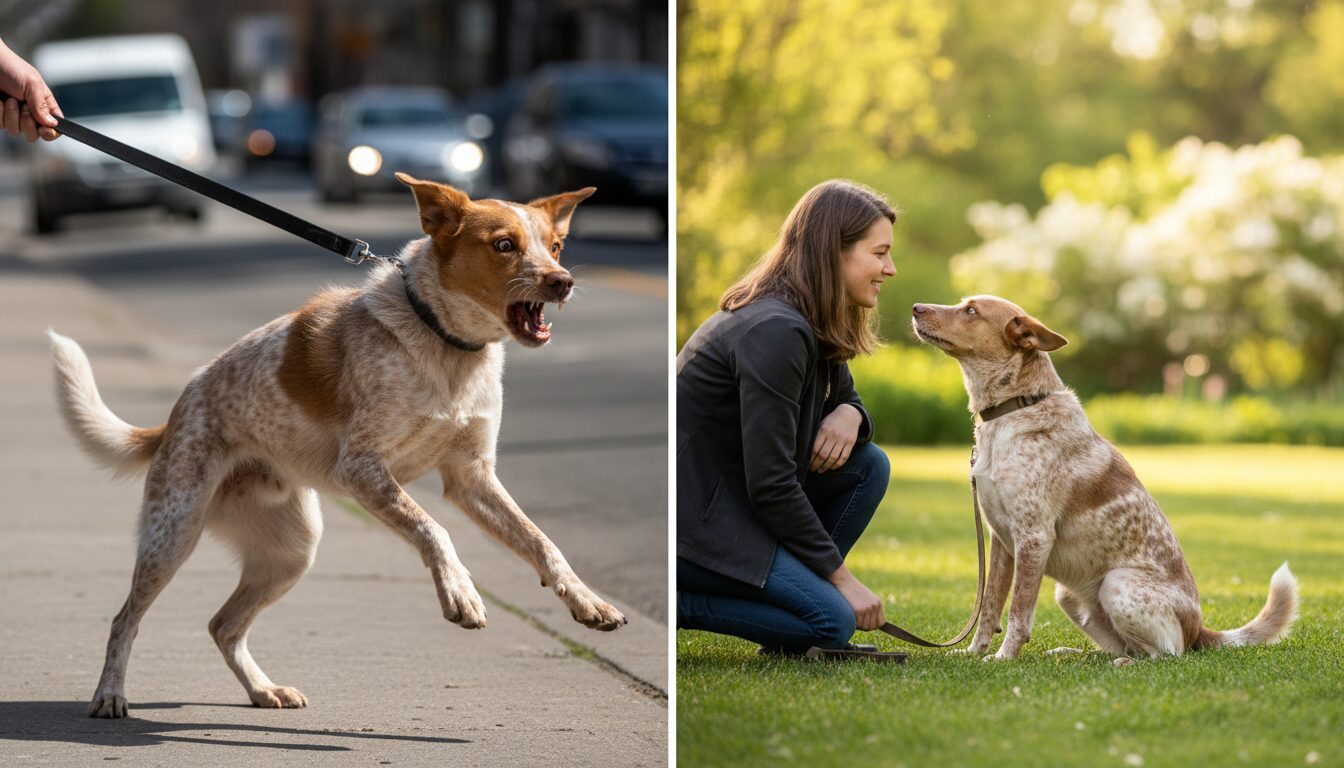
Living with a reactive dog can feel like navigating a minefield. Whether your dog barks at strangers, lunges at other dogs, or freezes in fear at loud noises, the underlying emotion is often a lack of perceived safety. Reactivity is rarely about dominance or stubbornness; it is an expression of big feelings—frustration, fear, or over-arousal—that the dog cannot regulate in the moment.
One of the most effective ways to help a reactive dog navigate the world is through the use of Pattern Games. Popularized by Leslie McDevitt in her Control Unleashed program, these games utilize the power of predictability. When a dog knows exactly what happens next, their anxiety decreases, and their ability to think and focus increases. By creating a predictable framework, we can lower the dog’s arousal and create a ‘safe bubble’ around them.
In this guide, we will explore three specific, life-changing pattern games that you can implement immediately to help calm your reactive dog and regain control during stressful walks.
The Science of Predictability: Why Pattern Games Work

To understand why pattern games are so effective, we must look at the canine brain. When a dog becomes reactive, their sympathetic nervous system (the fight-or-flight response) takes over. In this state, the thinking part of the brain (the prefrontal cortex) shuts down, and the dog reacts purely on instinct. No amount of verbal commands like ‘sit’ or ‘no’ will register effectively because the dog is physiologically incapable of processing them.
Pattern games work by engaging the parasympathetic nervous system (rest and digest) through rhythmic, repetitive actions. The brain craves patterns because patterns are safe. If A always leads to B, and B always leads to C, the brain does not need to scan the environment for threats constantly.
Key Benefits of Pattern Games:
- Voluntary Focus: The dog chooses to engage with you because the game is predictable and rewarding.
- Counter-Conditioning: By playing these games in the presence of triggers (at a safe distance), the dog begins to associate the scary thing with the fun game.
- Arousal Regulation: The rhythmic nature of these games naturally lowers heart rate and respiration.
Game 1: The 1-2-3 Game
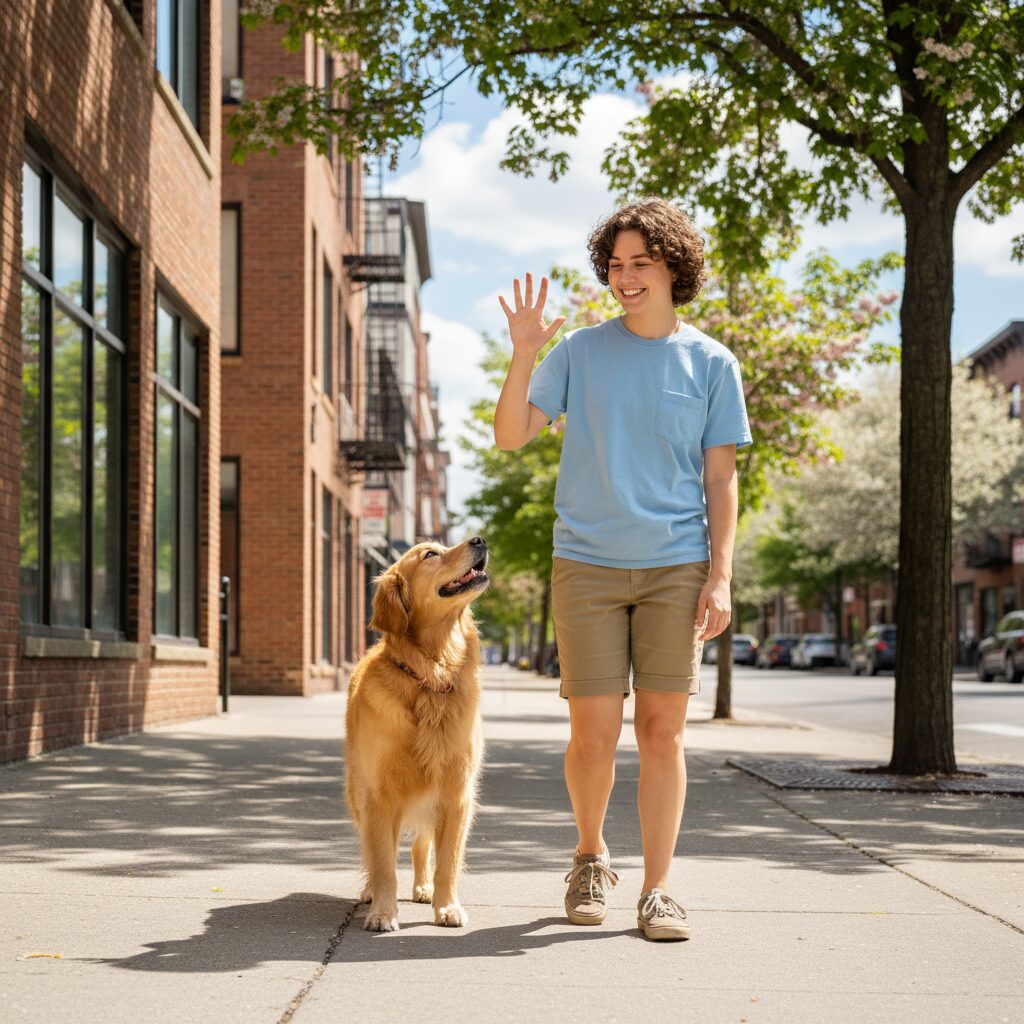
The 1-2-3 Game is perhaps the most versatile pattern game for moving past triggers. It creates a rhythmic prediction of a reward, allowing you to move your dog from point A to point B without them fixating on a distraction.
How to Play:
- Start in a Boring Environment: Begin in your living room with no distractions.
- Count Out Loud: Say ‘One, Two, Three’ in a steady, rhythmic cadence.
- Deliver the Treat: On the word ‘Three,’ immediately drop a high-value treat on the ground or hand it to your dog.
- Repeat: Do this 10-20 times until the dog visibly anticipates the treat when they hear ‘Three.’
- Add Movement: Start walking slowly. Count ‘One, Two, Three’ and treat. The goal is for the dog to orient toward you or the treat placement upon hearing the count.
Application: When you see a trigger (like another dog) in the distance, start the game. ‘One, two, three…’ and treat. The rhythm keeps the dog’s brain engaged with you rather than the trigger.
Game 2: The Up-Down Game
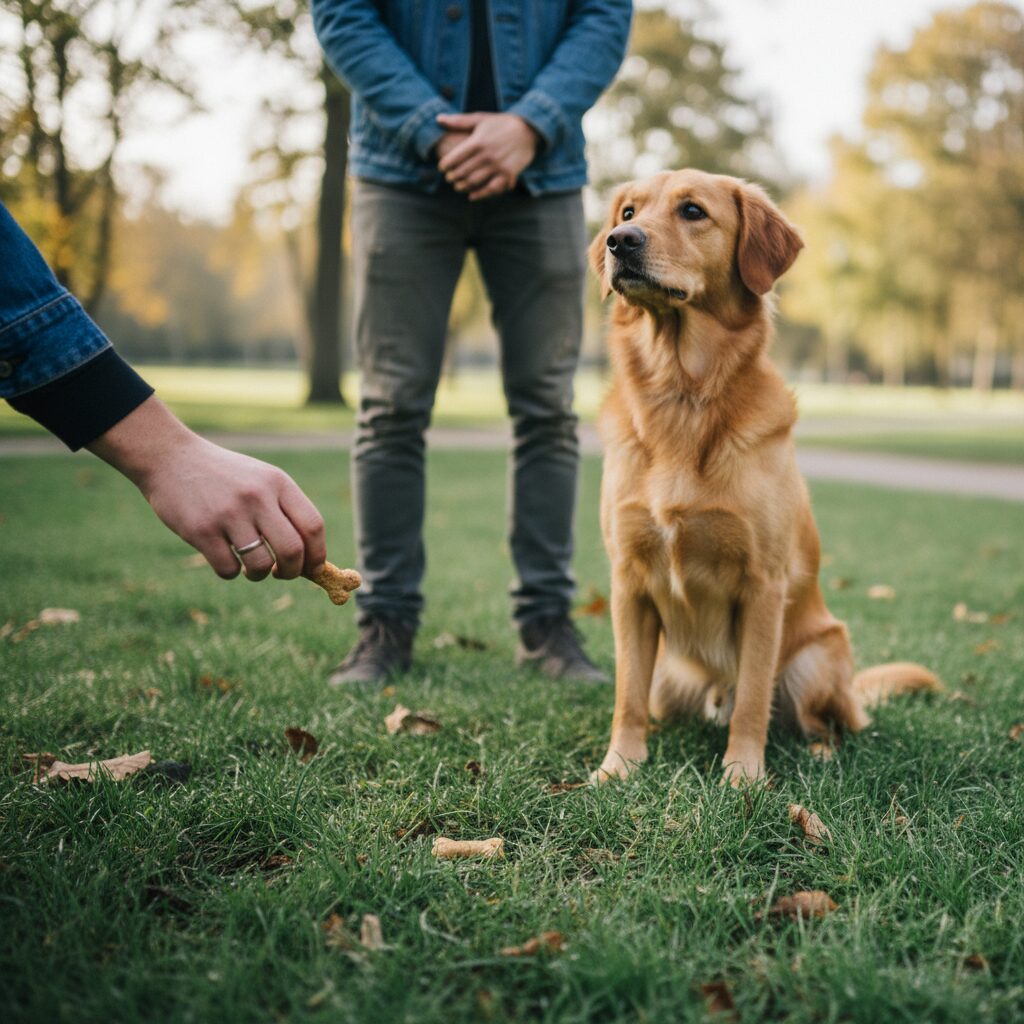
The Up-Down game is excellent for stationary situations, such as waiting at a crosswalk or standing in a vet’s waiting room. It teaches the dog that looking at the environment is allowed, but checking back in with you is what pays the bills.
How to Play:
- Place the Treat: Place a treat on the ground between your feet or slightly in front of you.
- Wait for the Dog to Eat: Allow the dog to eat the treat.
- The ‘Up’ Phase: As the dog finishes eating and lifts their head, you stand up straight and wait. Do not say anything.
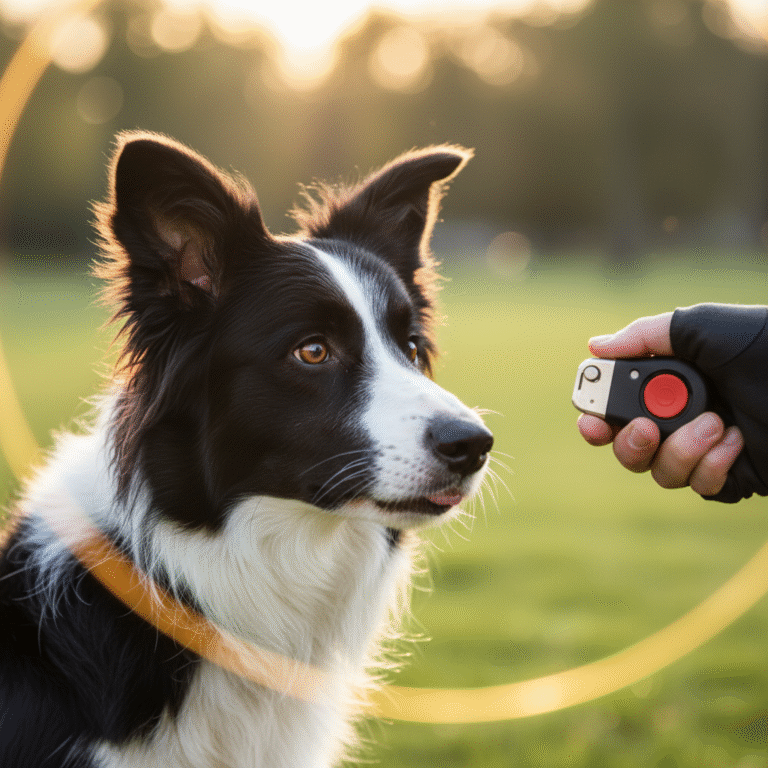
- The Check-In: Wait for the dog to look at you. The moment they make eye contact, mark it (say ‘Yes’ or click) and immediately place another treat on the ground (the ‘Down’ phase).
Why it Works: This creates a repetitive loop: Eat, Look Up, See Handler, Get Reward. It is a conversation that says, ‘I am here, and I am the source of good things.’
Game 3: The Ping-Pong Game
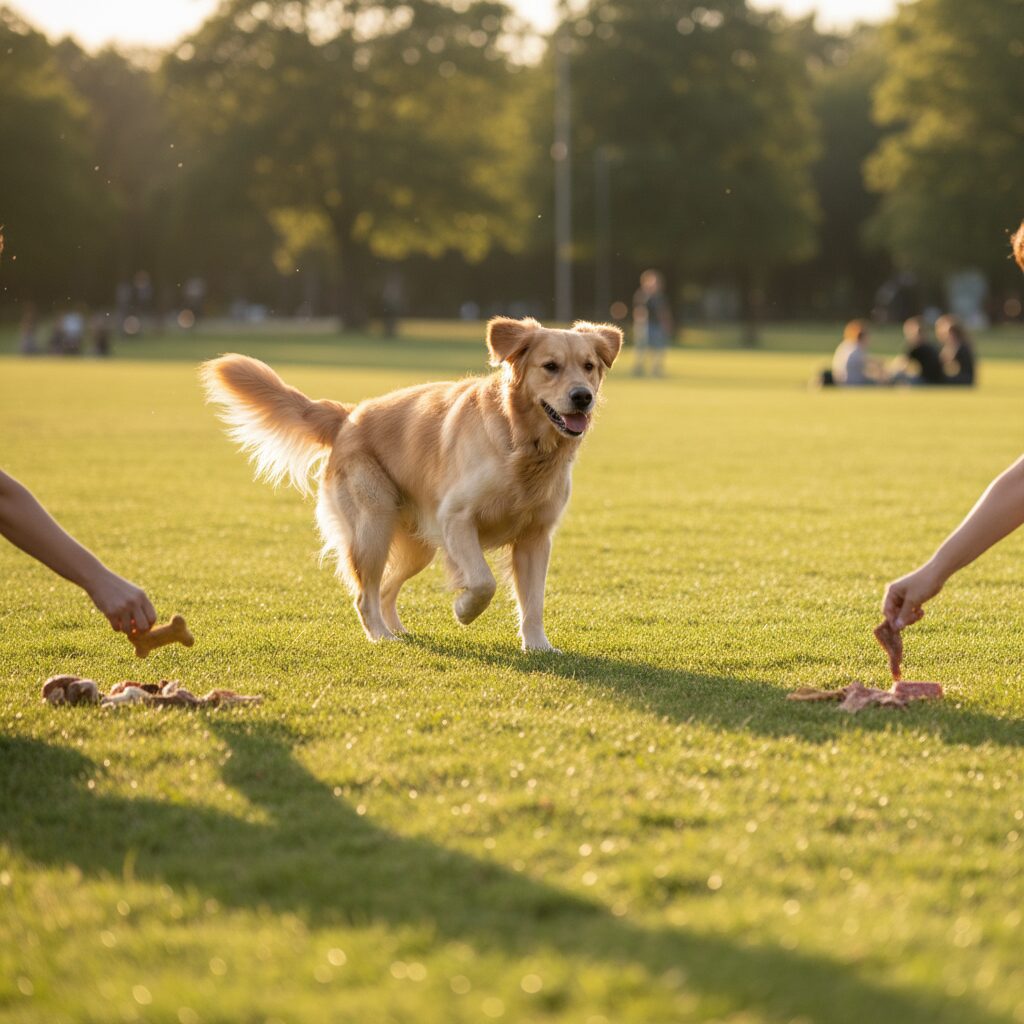
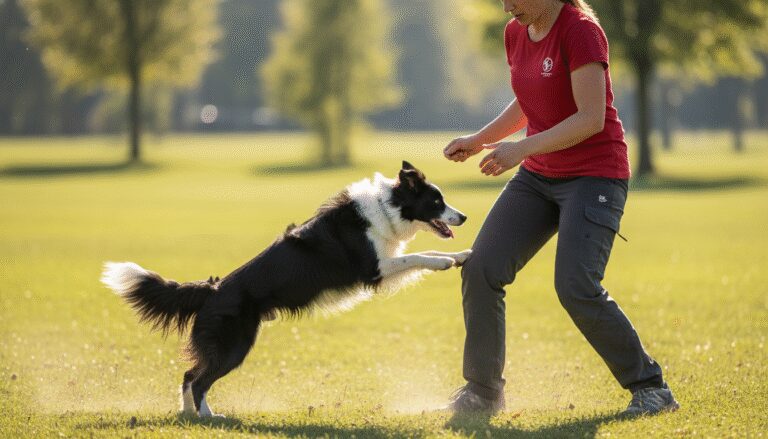
The Ping-Pong game utilizes movement to help a dog ‘shake off’ stress. It turns the handler into the center of a pendulum, with the dog moving back and forth to collect rewards. This is particularly useful if a dog is too energetic to sit still but needs to disengage from a trigger.
How to Play:
- Toss Left: Toss a treat to your left side. As the dog goes to get it, wait.
- Re-orient: When the dog eats the treat and turns back toward you, mark ‘Yes’ or click.
- Toss Right: Immediately toss a treat to your right side.
- Repeat: Continue this back-and-forth motion. The dog moves from left to right, checking in with you in the center each time.
Application: This game creates a ‘moving meditation.’ If a dog is staring hard at a trigger, the movement required to chase the tossed treat breaks that visual fixation and relieves tension.
Troubleshooting and Best Practices
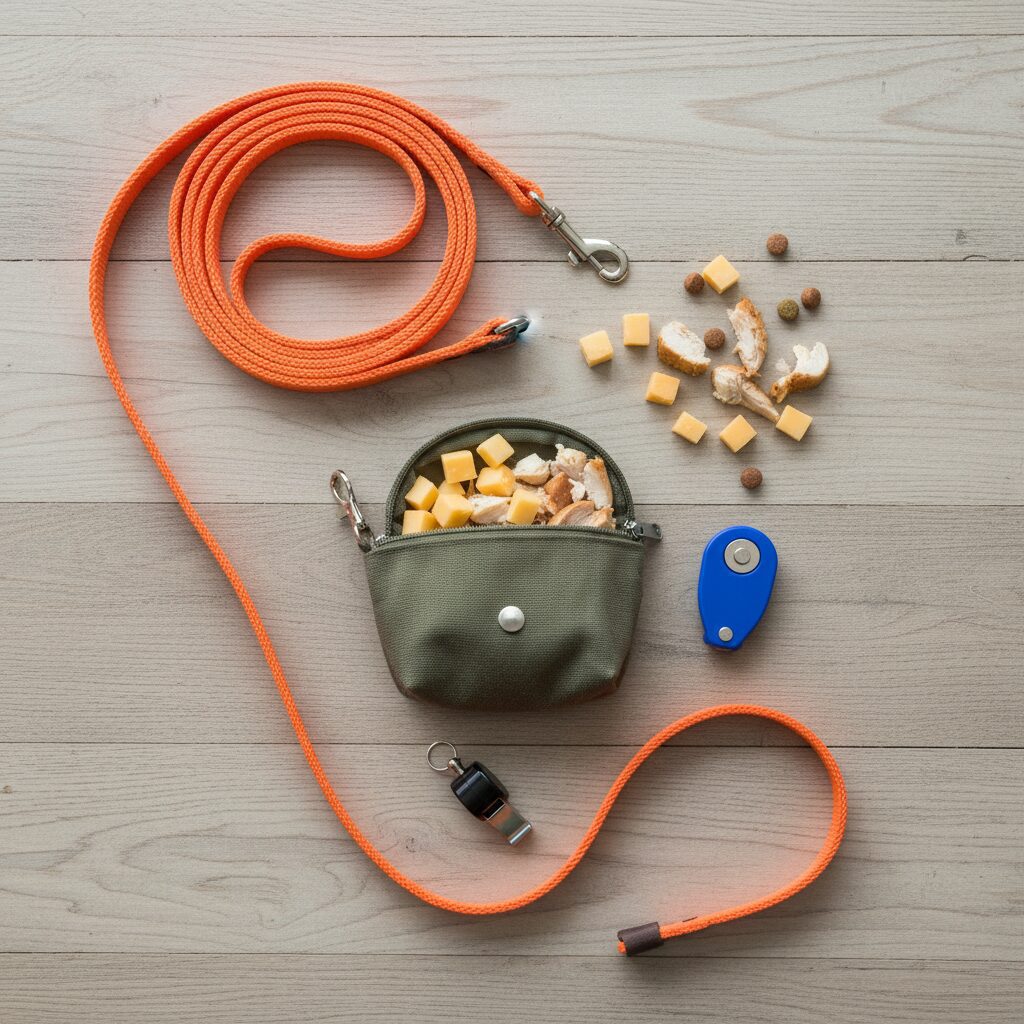
While these games are powerful, their success depends on how they are implemented. Here are common pitfalls to avoid to ensure you are effectively calming your reactive dog.
- Manage Thresholds: These games will not work if the dog is already over threshold (lunging, barking, unable to take food). You must play these games at a distance where the dog notices the trigger but is still able to eat and think. If the dog refuses food, you are too close.
- Use High-Value Rewards: Dry kibble is rarely sufficient for high-stress environments. Use boiled chicken, cheese, or freeze-dried liver. The value of the reward must compete with the distraction.
- Practice Before You Need It: Do not wait for a crisis to try these games. Your dog must know the rules of the game fluently in a quiet environment before they can play it under pressure.
- Be Consistent: The power lies in the pattern. Keep your counting rhythm steady and your mechanics clean.
Building a Confident Future
Reactivity is a journey, not a race. By incorporating the 1-2-3 Game, the Up-Down Game, and the Ping-Pong Game into your daily routine, you provide your dog with a predictable language they can understand. These patterns offer a lifeline of communication when the world feels overwhelming.
Remember, the goal is not to suppress the dog’s behavior but to change their emotional state from fearful to focused. With patience, consistency, and plenty of high-value treats, you can transform stressful walks into opportunities for connection and confidence building.