

15 ‘Healthy’ Human Foods That Could Kill Your Dog
As loving pet owners, we often want to share everything with our furry companions, including our food. It’s hard to resist those big, pleading puppy-dog eyes when you’re enjoying a snack. You might think, ‘It’s healthy for me, so it must be okay for them, right?’ Unfortunately, this loving gesture can have devastating consequences. Many foods that are nutritious for humans are highly toxic to dogs due to differences in their metabolism.
Sharing the wrong food can lead to anything from mild digestive upset to severe illness, organ failure, and even death. It’s a heartbreaking reality that many pet emergencies are caused by accidental ingestion of common household foods. That’s why we’ve compiled this critical list of 15 seemingly ‘healthy’ human foods that you must keep away from your dog. Knowledge is the best tool you have to protect your best friend, so let’s dive in and learn how to keep them safe, happy, and healthy.
The Deceptive Dangers in the Fruit Bowl

Fruits are packed with vitamins and antioxidants, making them a cornerstone of a healthy human diet. However, what’s a superfood for you can be a super-threat for your dog. Several common fruits contain compounds that canine bodies simply can’t process, leading to severe health crises.
1. Grapes & Raisins
This is one of the most important warnings for any dog owner. Grapes and raisins (which are just dried grapes) can cause acute, sudden kidney failure in dogs. Even a small amount can be fatal. The exact toxic substance within them is still unknown, but the effect is severe and well-documented.
Symptoms to watch for: Vomiting and diarrhea often occur within a few hours. This is followed by lethargy, loss of appetite, dehydration, and decreased urination, which are all signs of kidney damage.
If you even suspect your dog has eaten a single grape or raisin, treat it as an emergency. Contact your veterinarian or the Pet Poison Helpline immediately. Prompt treatment is critical for a positive outcome.
2. Avocado
While we love it on toast, avocado contains a fungicidal toxin called persin. While generally harmless to humans, it can cause serious issues for dogs. Persin is found in the avocado’s fruit, pit, leaves, and the plant itself. The high fat content can also lead to pancreatitis, a painful and serious inflammation of the pancreas.
Symptoms to watch for: The most common signs are vomiting and diarrhea. In more severe cases, especially if a large amount is consumed, it can cause myocardial damage (damage to the heart muscle).
3. Pits and Seeds from Peaches, Plums, and Cherries
The flesh of these fruits is generally safe for dogs in small quantities, but the pits are the real problem. They contain cyanide, which is poisonous to both humans and dogs. While a human knows not to eat the pit, a dog might chew it open, releasing the toxin. Furthermore, the pits pose a significant choking hazard and can cause intestinal blockages.
Symptoms to watch for: Signs of cyanide poisoning include dilated pupils, difficulty breathing, bright red gums, and shock. An intestinal blockage would present with vomiting, straining to defecate, and abdominal pain.
Kitchen & Pantry Poisons Hiding in Plain Sight
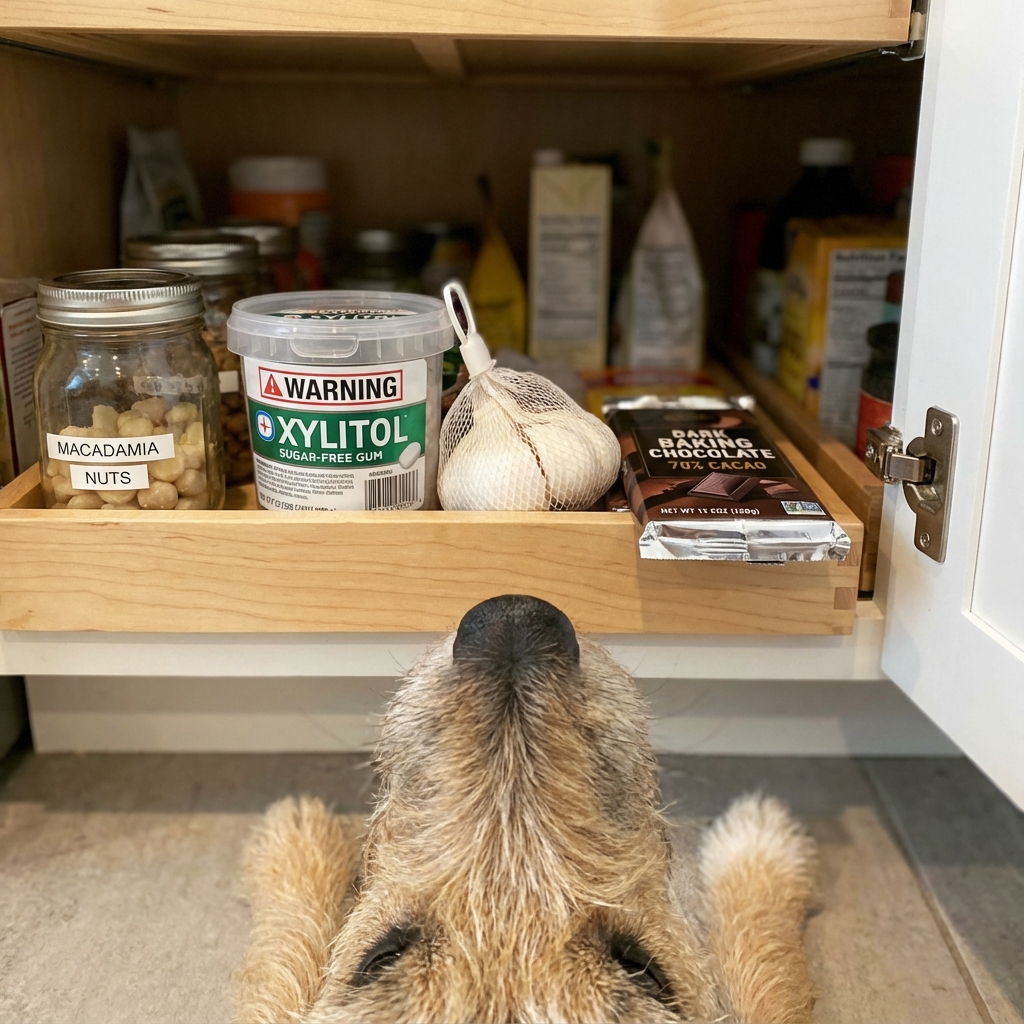
Your kitchen pantry is a treasure trove of ingredients, but it’s also where some of the most potent canine toxins are stored. These items are so common in our daily cooking and snacking that we often forget the danger they pose to a curious pup.
4. Onions, Garlic, Chives & Leeks
These flavorful staples belong to the Allium family and are toxic to dogs in all forms—raw, cooked, powdered, or dehydrated. They contain compounds that can damage a dog’s red blood cells, causing them to rupture. This leads to a condition called hemolytic anemia, which means the body can’t supply enough oxygen to its tissues.
Symptoms to watch for: Poisoning might not be obvious for a few days. Look for lethargy, weakness, pale gums, an elevated heart rate, and reddish or orange urine. In severe cases, the dog may collapse.
5. Macadamia Nuts
While many nuts are not great for dogs due to their high fat content, macadamia nuts are uniquely toxic. The specific toxin is unknown, but the effects are clear. Ingesting even a small number of these nuts can cause significant illness.
Symptoms to watch for: Signs typically appear within 12 hours and include weakness (especially in the hind legs), vomiting, tremors, and hyperthermia (elevated body temperature). Thankfully, these effects are usually temporary and resolve with veterinary care, but they are very distressing for the dog.
6. Xylitol (Artificial Sweetener)
This is one of the most dangerous substances on the list. Xylitol is a sugar substitute found in a surprising number of ‘healthy’ or ‘sugar-free’ products, including some peanut butters, yogurt, chewing gum, candy, baked goods, and even some medications. In dogs, xylitol triggers a massive release of insulin from the pancreas, leading to a rapid and profound drop in blood sugar (hypoglycemia). It can also cause severe liver failure.
Symptoms to watch for: Signs of hypoglycemia can appear within 10-60 minutes and include vomiting, weakness, staggering, lack of coordination, collapse, and seizures. Liver failure can develop later.
Always check the ingredient list on products like peanut butter before sharing. If it lists xylitol, it is absolutely off-limits. This is a life-threatening emergency.
7. Chocolate
Most owners know chocolate is bad, but they may not know why or that the type matters. Chocolate contains theobromine and caffeine, both of which are stimulants that dogs cannot metabolize effectively. Dark chocolate, baking chocolate, and cocoa powder are the most dangerous, as they contain the highest concentration of theobromine. Milk chocolate and white chocolate have less, but can still cause problems in large quantities.
Symptoms to watch for: Vomiting, diarrhea, restlessness, increased heart rate, tremors, seizures, and in severe cases, death.
Common Drinks and Doughs: A Recipe for Disaster

What we drink to relax or wake up can have the opposite effect on our dogs. The same goes for some of the basic ingredients we use for baking. These items can cause severe neurological and systemic problems for our canine friends.
8. Alcohol
Alcohol has the same effect on a dog’s liver and brain that it has on humans, but it takes a much smaller amount to do significant damage. Dogs are far more sensitive to ethanol than we are. Even small amounts from a spilled drink, alcohol-soaked foods, or certain desserts can lead to alcohol poisoning.
Symptoms to watch for: Vomiting, diarrhea, decreased coordination, central nervous system depression, difficulty breathing, tremors, abnormal blood acidity, coma, and even death.
9. Caffeine
Found in coffee (beans and grounds), tea, soda, energy drinks, and diet pills, caffeine is a powerful stimulant. A dog’s system is not equipped to handle it. A few laps of a spilled coffee might not be a huge issue for a large dog, but ingesting coffee grounds or tea bags can be fatal.
Symptoms to watch for: Similar to chocolate toxicity, signs include restlessness, rapid breathing, heart palpitations, muscle tremors, and seizures.
10. Yeast Dough
Raw bread dough that contains yeast is a dual threat. First, the warm, moist environment of a dog’s stomach is a perfect incubator for yeast, causing the dough to expand. This can lead to a painful bloating of the stomach, which can progress to a life-threatening condition called Gastric Dilatation-Volvulus (GDV), or ‘bloat,’ where the stomach twists. Second, as the yeast ferments the dough, it produces ethanol, leading to alcohol poisoning.
Symptoms to watch for: A distended, hard abdomen, unproductive retching (trying to vomit but nothing comes up), weakness, collapse, and signs of alcohol toxicity.
Debunking Myths About Meat, Bones, and Dairy
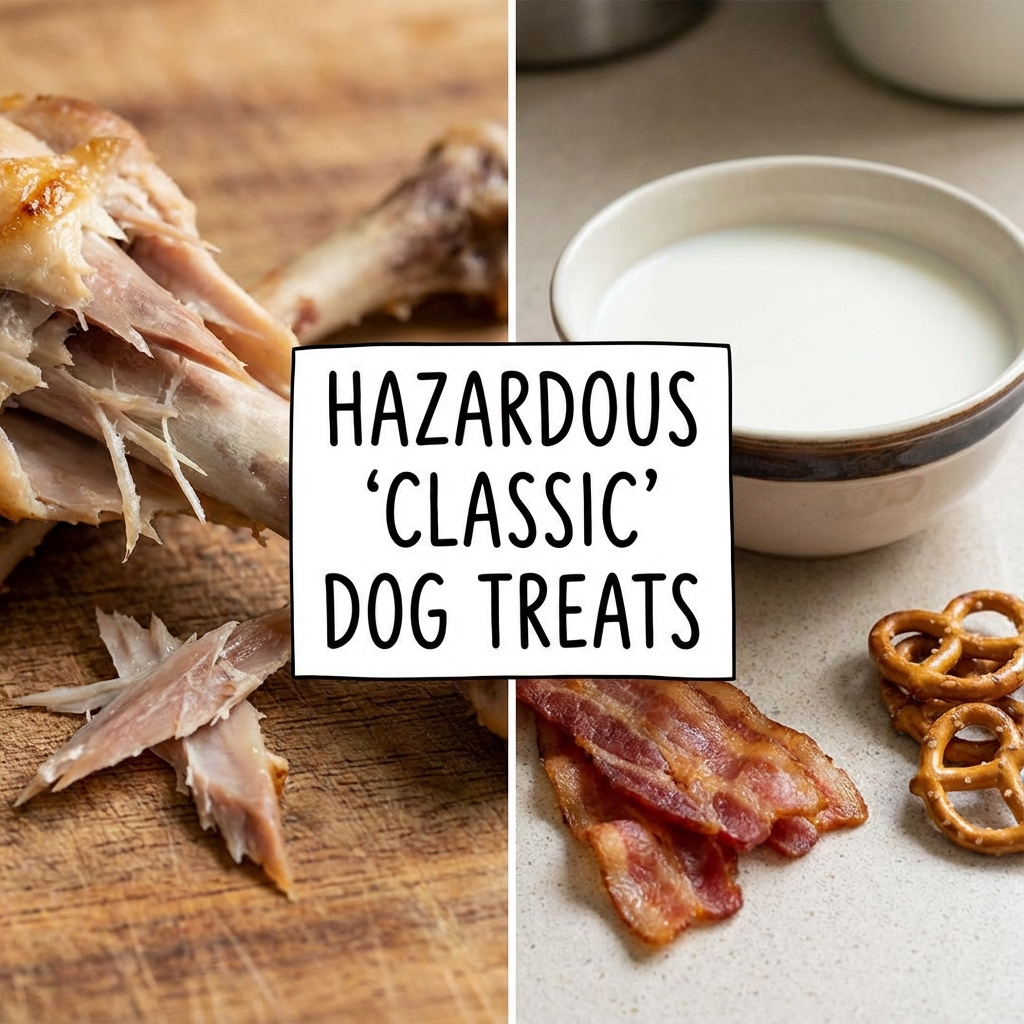
Dogs are carnivores, so meat and bones should be fine, right? And a little milk is a classic treat for a pet, isn’t it? These common beliefs can unfortunately lead to serious health problems. Here’s the truth behind these popular misconceptions.
11. Cooked Bones
While raw bones can be a safe and healthy chew option for some dogs under supervision, cooked bones are a different story entirely. The cooking process makes them brittle. When a dog chews on a cooked bone, it can easily splinter into sharp fragments.
The Dangers: These splinters can cause choking, severe damage to the mouth and tongue, get lodged in the esophagus or windpipe, and cause punctures in the stomach lining or intestines, leading to a life-threatening infection called peritonitis.
Never give your dog cooked bones from your dinner plate. Instead, opt for raw bones appropriate for their size or durable chew toys recommended by your vet.
12. Fat Trimmings & Fatty Foods
Giving your dog fatty scraps from your steak or bacon might seem like a delicious treat, but it can wreak havoc on their system. High-fat foods can cause pancreatitis in dogs. The pancreas becomes inflamed and starts to essentially digest itself, which is incredibly painful and can be fatal if not treated promptly.
Symptoms to watch for: Vomiting, severe abdominal pain (your dog may adopt a ‘praying’ position with their rear end in the air), diarrhea, loss of appetite, and lethargy.
13. Milk & Dairy Products
Just like some humans, many dogs are lactose intolerant. They lack sufficient amounts of the enzyme lactase, which is needed to break down the lactose in milk. While a small lick of ice cream or a little bit of cheese might not cause an issue for some, for others it can lead to significant digestive upset.
Symptoms to watch for: Diarrhea, gas, vomiting, and abdominal pain. While not typically life-threatening, it’s certainly uncomfortable for your pet.
14. Salt and Salty Snacks
Excessive salt can lead to sodium ion poisoning. While a single potato chip isn’t likely to cause harm, feeding your dog salty snacks like pretzels, popcorn, and chips regularly can be dangerous. It causes excessive thirst and urination and can lead to more severe symptoms.
Symptoms to watch for: Vomiting, diarrhea, depression, tremors, elevated body temperature, seizures, and in extreme cases, death. Make sure your dog always has access to fresh water, especially if they’ve snuck a salty snack.
15. Nutmeg
This common holiday spice contains a compound called myristicin, which can be toxic to dogs when ingested in large quantities. While the amount used in a cookie is unlikely to cause a problem, a dog getting into the spice container could be disastrous.
Symptoms to watch for: Myristicin can cause hallucinations, disorientation, increased heart rate, high blood pressure, dry mouth, abdominal pain, and seizures.
Conclusion
Protecting our dogs is a full-time job, and a big part of that is controlling what goes into their mouths. As this list shows, many foods we consider healthy or harmless can pose a significant threat to our furry family members. The best rule of thumb is to stick to a high-quality diet formulated specifically for dogs and use treats made for them.
Accidents happen, so it’s crucial to be prepared. Keep the number for your local veterinarian, the nearest 24-hour emergency vet clinic, and the ASPCA Animal Poison Control Center (888-426-4435) somewhere easily accessible, like on your fridge. If you ever suspect your dog has ingested something toxic, don’t wait—call for professional help immediately.
By being informed and vigilant, you can avoid a potential tragedy and ensure your best friend lives a long, happy, and healthy life by your side. After all, their well-being is worth more than any shared snack.